
Accelerating Action for Economic Equity
By Aisha Ahmad and Ibrahim Idris
The combination of care work and taxation needs fast implementation toward economic fairness
Happy International Women’s Day, At this International Women’s Day celebration in 2025 under the theme #AccelerateAction we need to focus on the neglected economic pillar which is unpaid care work. The team at FollowTaxes works to develop equal tax protocols that defend women especially those within informal employment who face both unpaid care duties and economic self-sufficiency goals.
The Unseen Contribution of Care Work
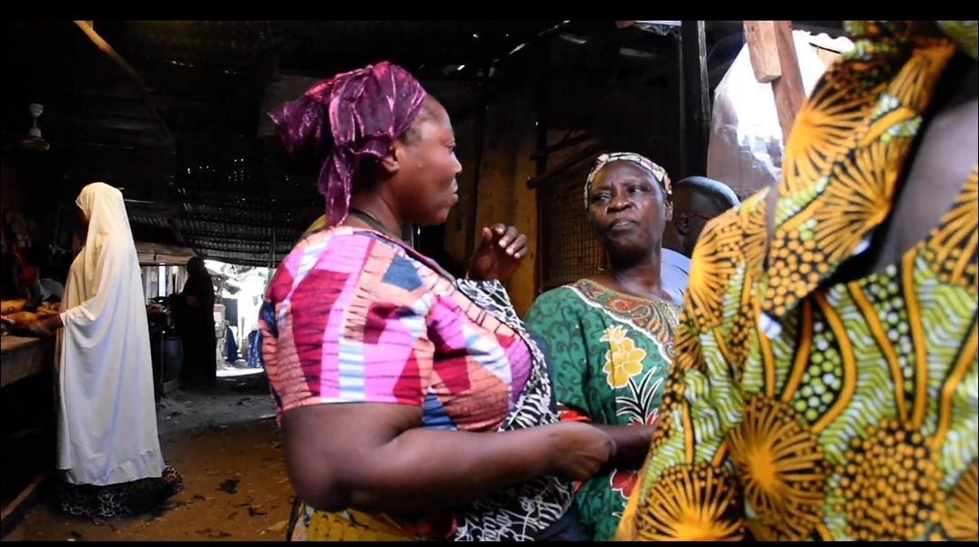
The base of productive economic operation rests on unpaid care activities. Unpaid care work permits people to join the workforce while ensuring generational welfare and upholding community structures. Unpaid care responsibilities are mostly performed by females according to the International Labour Organization (ILO) data which shows women commit to more than 75 percent of this work globally. Economic planning together with fiscal policy tend to neglect unpaid care work because such work is neither taxed nor compensated formally. FollowTaxes stands as an organization that works to shape tax policies which validate and provide resources for care work economic value.
The Gendered Impact of Taxation
At FollowTaxes, our work highlights the disparities in tax systems that disproportionately affect women, particularly those engaged in unpaid care work or in the informal economy. Key issues include:
- Indirect Taxation Disparities: Consumption taxes, such as Value Added Tax (VAT), disproportionately affect low-income households, where women are often the primary caregivers and consumers.
- Limited Tax Relief for Care Responsibilities: Many tax systems lack deductions or credits for caregiving expenses, increasing financial strain on families.
- Barriers to Economic Participation: High taxation on micro-enterprises and informal businesses, where many women operate, discourages entrepreneurship and financial independence.
Accelerating Action: Policy Recommendations for a Fairer Tax System
To accelerate action towards economic equity, FollowTaxes is advocating for:
- Tax Incentives for Caregiving: Introducing tax credits or deductions for households with caregiving responsibilities to reduce financial strain and recognize unpaid labor.
- Progressive Taxation: Implementing a more progressive tax system ensures that wealthier individuals contribute a fairer share, reducing the burden on low-income caregivers.
- Support for Informal Workers: Simplified tax regimes and reduced compliance costs for women-led informal businesses can encourage formalization and economic security.
- Gender-Responsive Tax Policies: Ensuring that tax policies are designed with gender-disaggregated data and insights to close economic gaps.
Conclusion
Care work is an economic pillar that should be reflected in tax policies. As we #AccelerateAction this International Women’s Day, FollowTaxes remains dedicated to ensuring tax systems are fair, gender-responsive, and supportive of women’s economic empowerment. Social justice alongside economic necessity establishes the imperative to value unpaid care work because this effort creates inclusive growth and sustainable development.